*Client name has been removed for confidentiality purposes.
OBJECTIVE
The client’s mobile service business was experiencing efficiency issues that were causing them to have to turn away business. Our goal was to build a digital solution to help scale their business by maximizing efficiency and increasing number of service appointments scheduled.
ETHNOGRAPHY
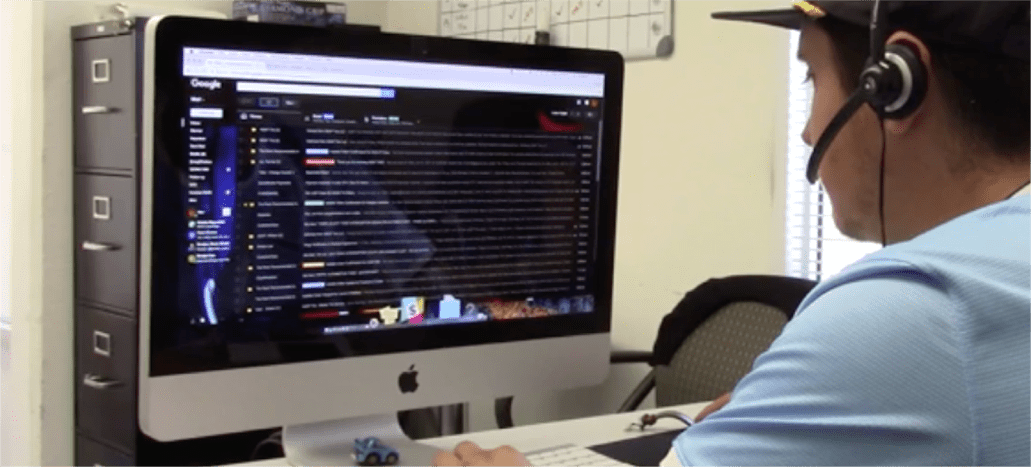
At the beginning of the project’s discovery phase, the team wanted to gain a better understanding of the client’s current scheduling process. In order to achieve this, a UX designer and I performed ethnographic research to capture first-hand user behavior and pain-points. We visited the client’s office to conduct contextual interviews where we had them walk us through their process step by step and then observed the schedulers go about their day.
MENTAL MODEL
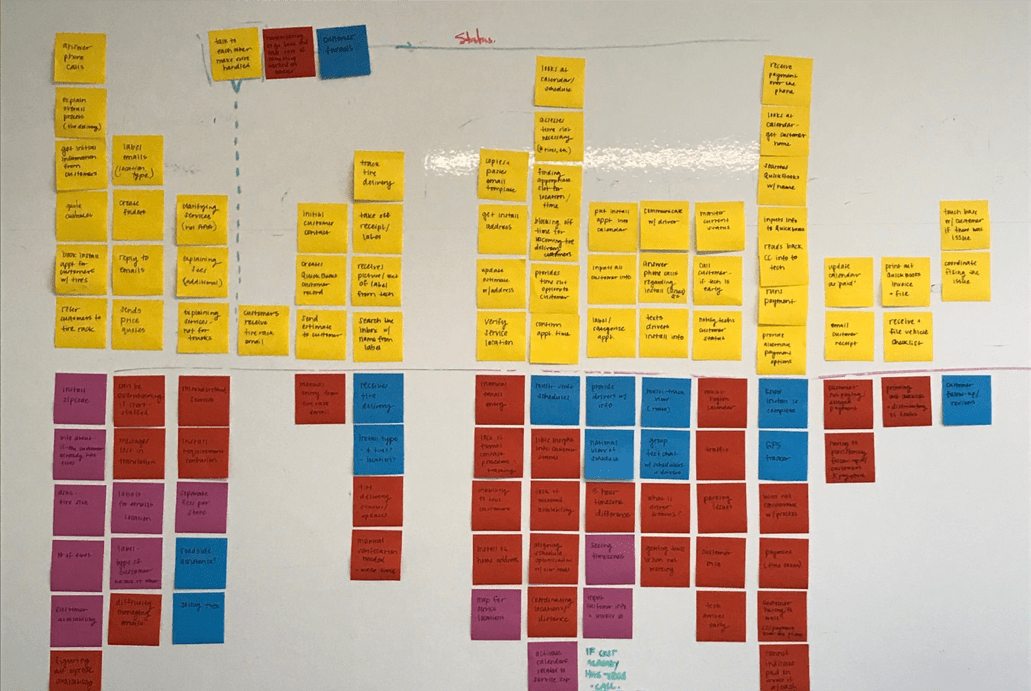
Following the contextual interviews, we mapped out a mental model of the schedulers on a horizontal timeline that included each task in the scheduling process, as well as associated pain points, opportunities, and digital features that could potentially solve for the pain points.
USER JOURNEY
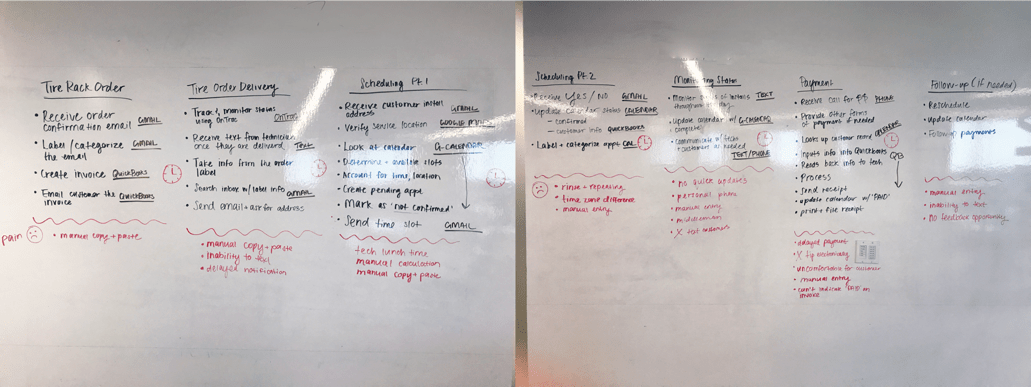
Based on the mental model we created, we outlined a user journey that also included all steps in the scheduling process and pain points, as well as the different types of software used in each step. This was shared with the stakeholders from various teams to thoroughly illustrate complexity and tediousness of the scheduling process. We also showed them a recorded video of the scheduling process that allowed them to witness the users’ frustrations first-hand.
GUERRILLA TESTING
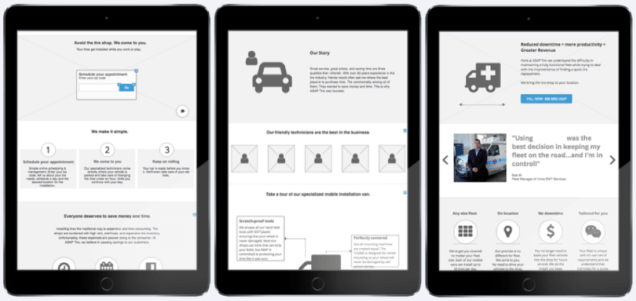
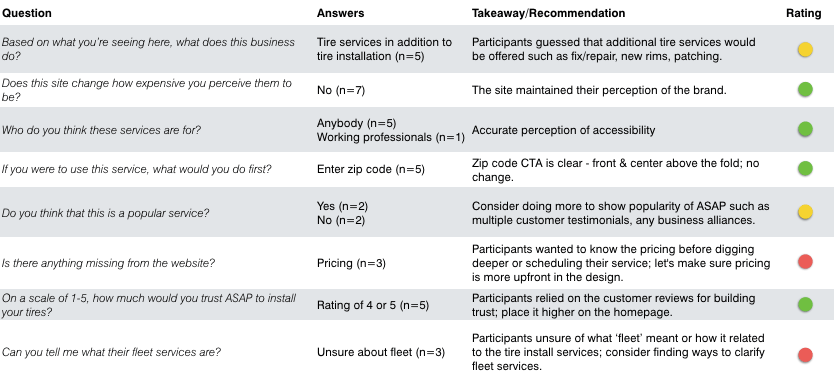
After the initial iteration of the home page, about us, and fleet services wireframes, we had the opportunity to guerrilla test the prototype. We tested with 7 total of participants (about 15 minutes each) in a local public setting to assess logo and website perception. We showed each of the participants the prototype and asked them several questions to evaluate how much they understood about the business and how much they would trust the services based on the information presented on the site.
FINDINGS
User feedback from the guerrilla testing allowed us to identify potential problems with the content and layout of the wireframes. Following our testing, we shared our findings and design recommendations with the team that were subsequently implemented into the next design iteration.
 Jennifer Creek