*Client name has been removed for confidentiality purposes.
THE OBJECTIVE
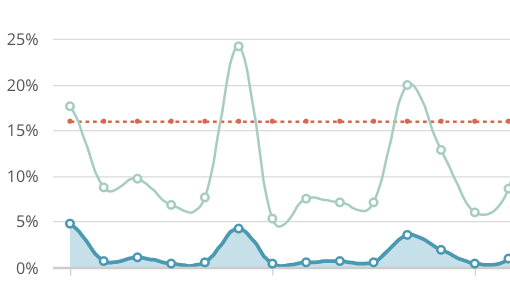
The client’s weekly e-newsletter was performing significantly under the industry standard average. Our goal was to maximize subscriber engagement through refining various elements of the newsletter template and copy. A UX designer and I worked together to create hypotheses based on preliminary discovery research findings and AB test redesigned newsletter templates against the client’s traditional format.

HEURISTIC EVALUATION
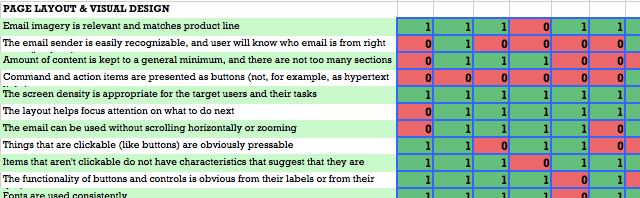
To kick-off the research, I completed a rigorous heuristic evaluation of the traditional newsletter format based on various client newsletter examples from the past 3 years. Heuristic categories included writing & content quality, page layout & visual design, task orientation & functionality, and trust & credibility. Each newsletter was given an overall score based on a compilation of the individual heuristic ratings.
COMPETITIVE ANALYSIS
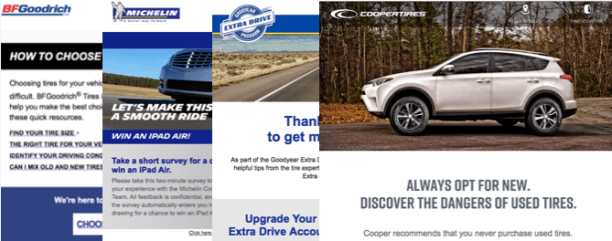
In addition to the heuristic evaluation, I performed a competitive analysis in which I evaluated 5 newsletter formats of the client’s direct competitors such as Maxxis, Goodrich, Cooper Tire, Goodyear, and Michelin. I gave each competitor a rating based on the heuristic categories used in the initial evaluation and identified the strongest and weakest newsletter styles based on their scores.
DATA ANALYSIS
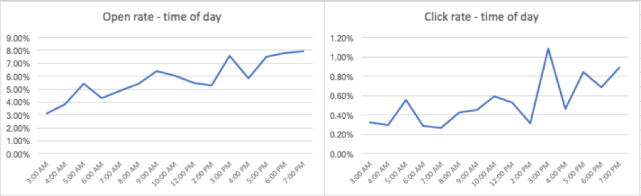
Using data analytics from MailChimp, I examined the newsletter data to identify any past and current trends in the newsletter performance based on subject line length, send time, messaging, and content type to find trends within each element. We used all three analytical components to drive hypothesis generation.
AB TESTING
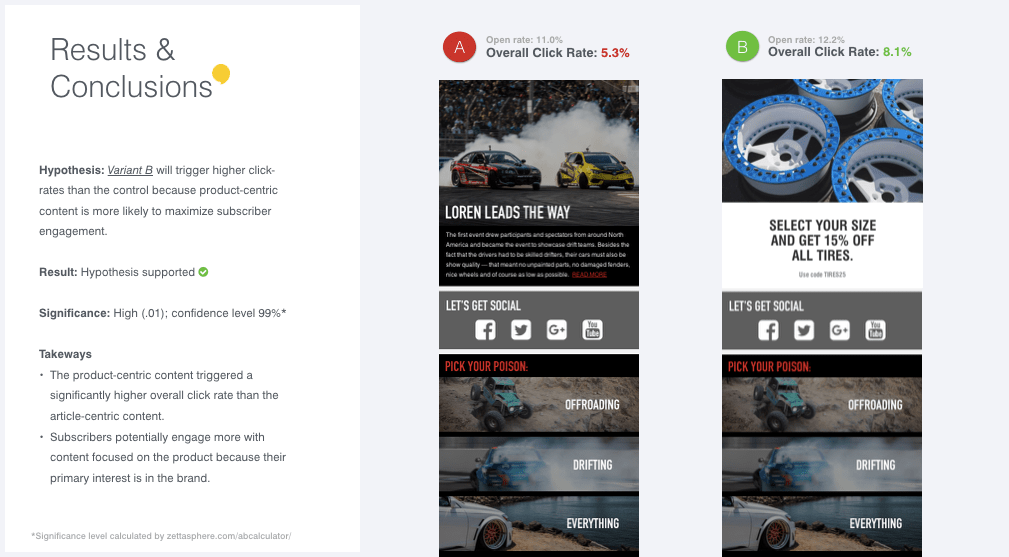
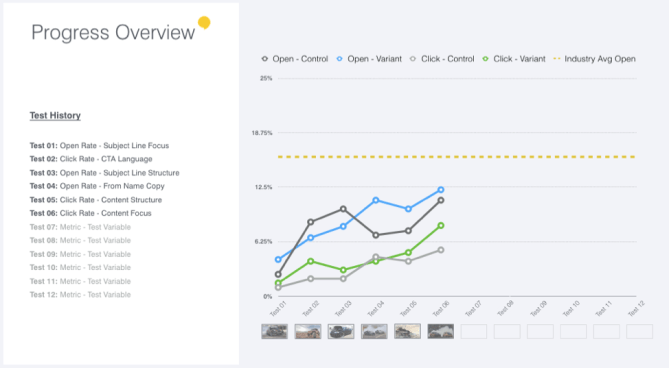
After generating a series of hypotheses and a testing timeline, we began AB testing using MailChimp. We tested subject line focus, CTA language, subject line structure, from name copy, content structure, content focus, and more. After each test, we determined whether the increase in open or click-through rate was statistically significant and offered recommendations to the client. Once design changes were approved, they were implemented into the newsletter template moving forward, continuing to increase open and click-rate performance overtime.
IMPACT
Throughout the testing lifecycle, design changes that were validated with enough statistical significance were implemented into the newsletter design. As a result, the overall performance of the new design continues to steadily increase and consistently meet the industry standard.
 Jennifer Creek